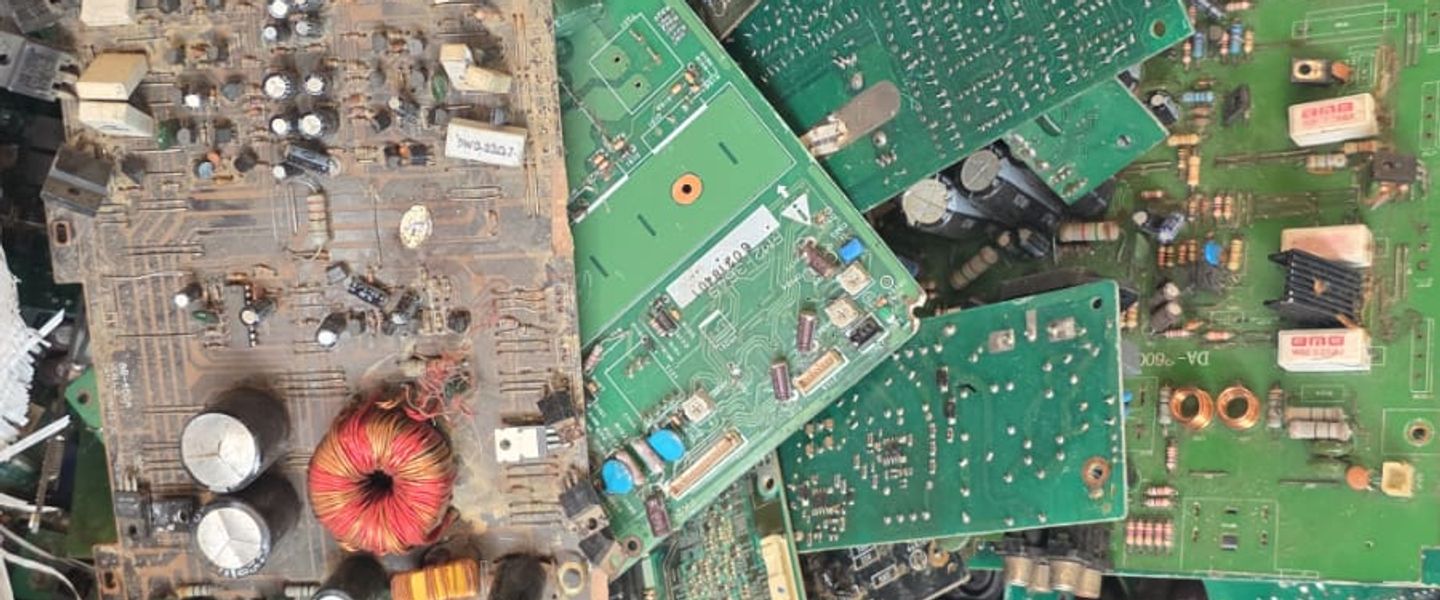
Electronic waste recycling or e-waste recovery has transformed into a lucrative business opportunity in the digital era. Along with the massive usage of gadgets, thousands of broken phones are discarded daily, leaving behind circuit boards or Printed Circuit Boards (PCBs) rich in precious metal contents. For beginner entrepreneurs and scrap collectors, understanding how to manage these components is the key to maximizing maximum financial profits.
Proper sorting processes separate PCBs by quality categories, allowing you to sell them directly to refinement plants at the best market offers. Mistakes in recognizing circuit board types are often the primary cause of losses for beginner business practitioners in this sector. Therefore, foundational education regarding physical component identification becomes an absolute initial step to master.
Beyond separating circuit board categories, operational efficiency is also determined by the skill to clean distracting materials such as plastic casings and iron heatsinks. Non-metallic components still attached can reduce weighing values during transactions with major collectors.
Building a supply chain network from small-scale collectors to regional middlemen will ensure stable monthly stock availability. This supply consistency will eventually boost the trust of national-scale recycling industrial partners toward your business.
Through orderly operational management and accurate sorting techniques, the used PCB scrap business is proven capable of becoming a promising long-term income source. This electronic waste transformation not only generates profits but also actively contributes to preserving environmental sustainability.