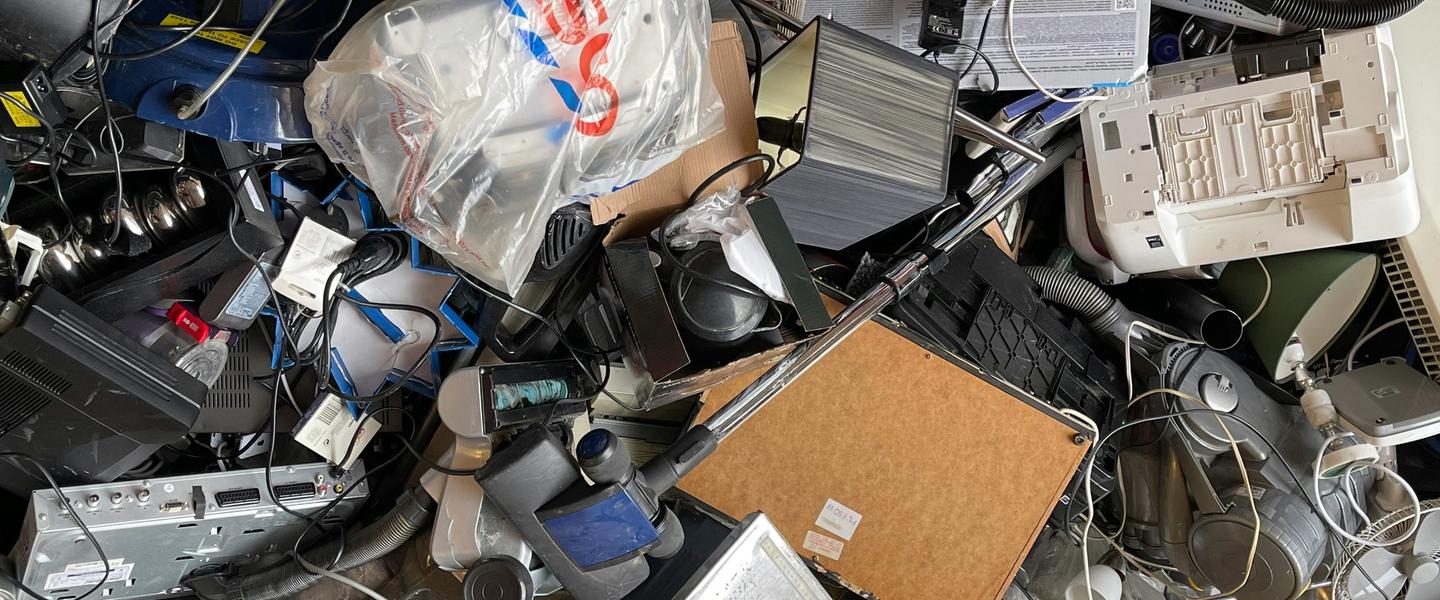
Every year, millions of metric tons of used electronic devices are discarded by global consumers. Deep within this pile of e-waste, printed circuit boards (PCBs) represent the most complex and hazardous components. Although rich in high-value metals, scrap PCBs also contain dangerous toxins such as lead, brominated flame retardants, and mercury, which can permanently damage ecosystems if mismanaged.
The global flow of e-waste often involves export practices from developed nations to developing countries. In informal processing sites, workers lacking protective gear burn or dissolve scrap PCBs using open acid baths. This crude extraction releases toxic fumes into the air and leaches hazardous chemicals into groundwater, creating a systemic public health crisis in surrounding communities.
International pressure is mounting to tighten the Basel Convention to curb this transboundary movement of hazardous waste. Both exporting and importing nations are urged to build certified, local processing infrastructure. Without strict enforcement and monitoring at major international ports, the illicit trade of scrap PCBs will continue to sacrifice human health and the environment for short-term financial gains.
- PBB / UN E-Waste Report: UN Global E-waste Monitor
- ScienceDirect Study: Global Trends in E-Waste Management & Recycling Technologies